
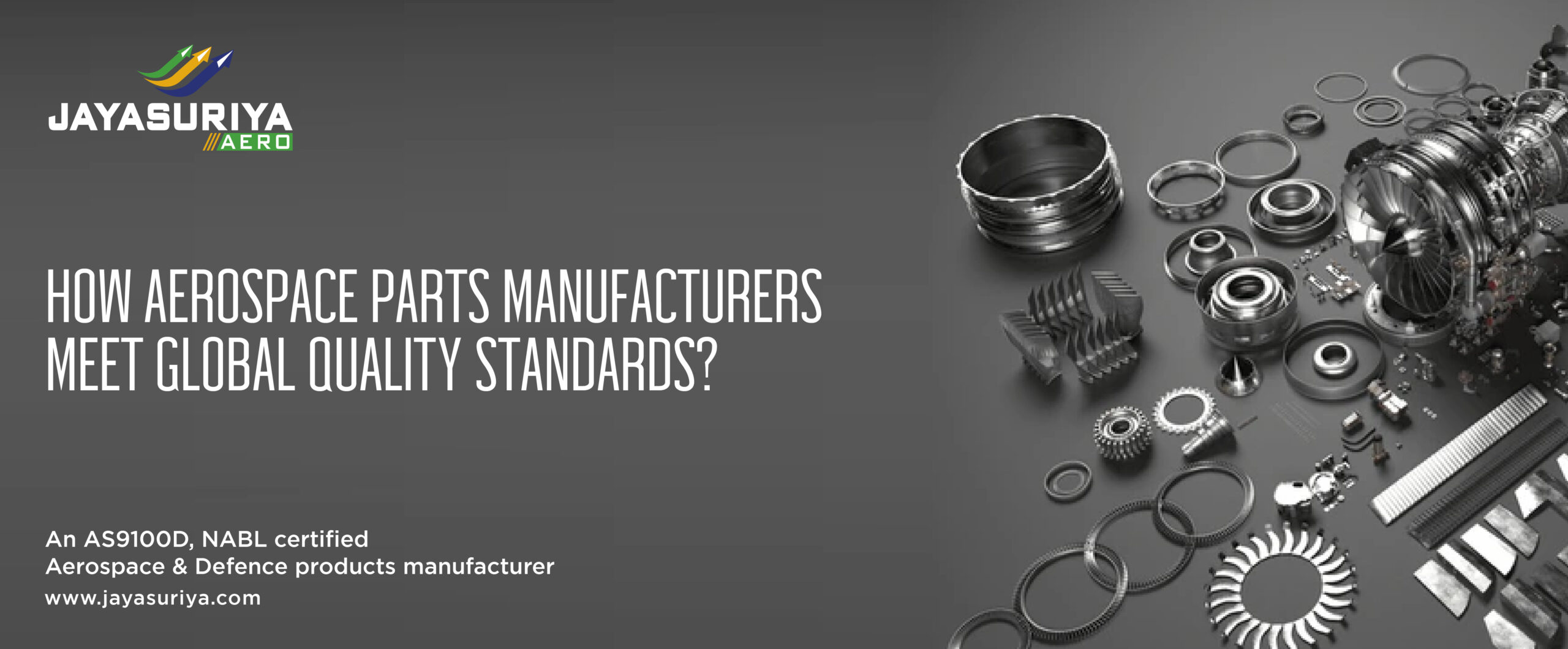

When you are flying 35,000 feet above ground, sipping coffee or reading a book, there is one thing you rarely think about—the thousands of tiny parts working behind the scenes to keep your flight smooth, safe, and on course. But for aerospace parts manufacturers, that is all they think about.
Each bolt, bracket, and turbine blade must meet extremely tight tolerances. Because in aerospace, there is no room for error. That is why these manufacturers follow some of the most rigorous global quality standards in the world. So, how exactly do they do it? Let us break it down.
Why Quality Matters So Much in Aerospace
In industries like aerospace, quality is not a buzzword—it is the core of everything. A single defective component can affect an entire aircraft’s performance, or worse, put lives at risk.
This is why aerospace companies cannot afford to take shortcuts. Everything they make, no matter how small, needs to be durable, reliable, and thoroughly tested. And to achieve this, they follow globally accepted quality frameworks, like:
- AS9100 – A gold-standard quality management system specific to aerospace.
- NADCAP – Ensures tight control over special processes like welding, heat treatment, and coatings.
- FAA / EASA Regulations – Global aviation authorities have their own rulebooks that parts must comply with.
And these are not optional—they are mandatory. Without these certifications, no manufacturer can even enter the aerospace market.
Inside the Manufacturing Process
1. Choosing the Right Materials
It all begins with the material. Only aerospace-grade metals and composites make the cut. Think titanium, aluminium alloys, or carbon fibre—materials that can withstand extreme pressure, temperature, and wear.
But it is not just about strength. Manufacturers need full traceability of every piece of raw material. That means knowing exactly where it came from, when it was made, and whether it passed all safety checks before entering the shop floor.
2. Precision Engineering Is the Name of the Game
Once the raw materials are in, it is time for the machines to do their magic. We are talking:
- High-precision 5-axis CNC machines
- Laser cutting for clean, detailed work
- EDM for intricate shapes
Even the smallest error in a part’s shape or size can lead to big issues once it is inside an aircraft. That is why machines are programmed with micrometre-level accuracy, and every stage is closely monitored in real-time.
3. Skilled Teams Make All the Difference
Despite automation, people still make the biggest impact. Aerospace engineers, technicians, and inspectors are highly trained. They understand complex drawings, know how to measure to microscopic tolerances, and are constantly updating their skills.
Most aerospace parts manufacturers invest heavily in training. Because when it comes to safety and compliance, human expertise is irreplaceable.
Quality Control at Every Step
Here is the thing—quality does not just happen at the end. It is built into every step of production.
Regular In-Process Checks
As a part is being made, it goes through several inspection stages:
- Visual checks under magnifiers
- CMM machines that scan parts for dimensional accuracy
- Non-destructive testing, such as X-rays and ultrasonic scan,s to detect internal flaws
These inspections catch any defects early so that bad parts never reach the next stage.
Everything Gets Documented
Every nut, bolt, and blade has a paper trail. This includes:
- Test reports
- Certificates of compliance
- Inspection logs
- First Article Inspection Reports (FAIR)
Why so much documentation? Because in aerospace, traceability is key. If something ever goes wrong, companies need to know what happened, when, and where. Good records help them do that fast.
Keeping Up with Global Audits
Manufacturers also have to stay prepared for surprise audits. These can come from:
- Aviation authorities like FAA or EASA
- Aircraft makers like Airbus or Boeing
- Certification bodies for AS9100 or NADCAP
Auditors will examine not just parts, but processes, equipment, software, and even the training records of employees. So, aerospace parts manufacturers must always stay audit-ready—it is just part of the game.
The Role of Technology in Modern Aerospace Manufacturing
Technology has changed everything. Today’s manufacturers use:
- IoT sensors to monitor machines in real-time
- AI-driven predictive tools to reduce breakdowns and waste
- Digital twins that simulate part behaviour before production
- Blockchain systems to track every part securely across the supply chain
These tools do not just make production smarter—they make it safer and more consistent. And that is exactly what global quality standards demand.
Building Trust Across the Supply Chain
No aerospace company works alone. They rely on a vast network of suppliers, each one playing a role in the final product’s quality.
That is why manufacturers:
- Vet suppliers carefully
- Conduct regular quality audits
- Maintain strict incoming material inspections
If even one vendor cuts corners, it can jeopardise the entire project. So trust and transparency in the supply chain are just as important as precision on the factory floor.
Staying Ahead of the Curve
The aerospace industry is rapidly changing, with electric aircraft, lightweight composites, and autonomous systems shaping the future. So, how do manufacturers keep up?
- By investing in R&D
- Embracing green manufacturing practices
- Staying updated with new global standards
They are not just building today’s parts—they are preparing for tomorrow’s possibilities.
Where Precision Meets Purpose
For aerospace parts manufacturers, quality is not a one-time check. It is a mindset. It is about putting processes in place that catch even the tiniest mistake. It is about training teams who care about their work. And it is about never settling for “good enough.”
Companies like Jayasuriya Aero exemplify what it means to manufacture with purpose. They combine world-class technology, skilled craftsmanship, and global compliance to ensure every part they produce meets—not just the minimum requirement—but the highest possible standards.
Because when you are building for the skies, there is only one standard that matters: excellence.